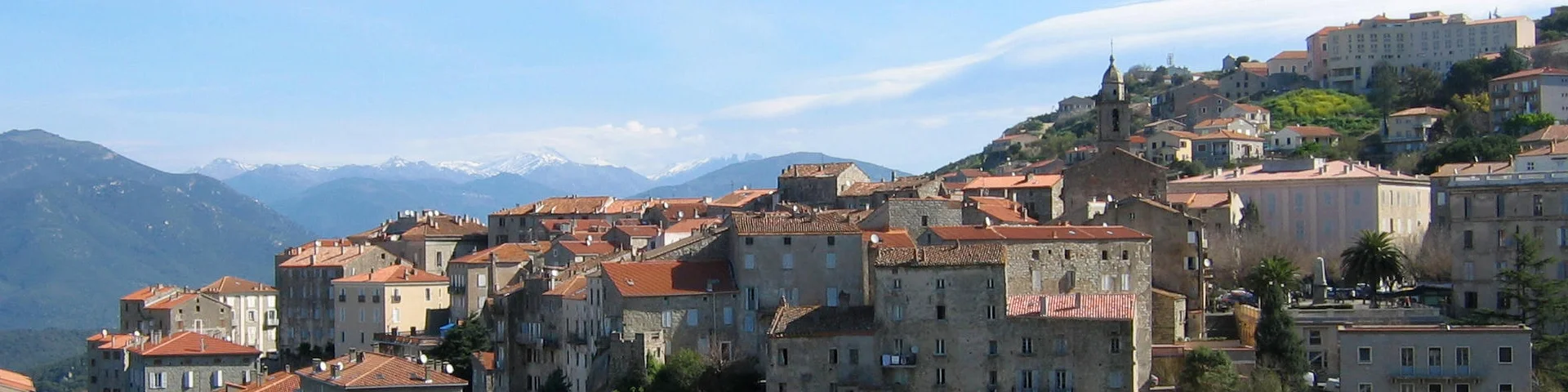
Sartène, the most Corsican of Corsican townsSartène, the most Corsican of Corsican towns
©Sartène, the most Corsican of Corsican towns|OTISVT
An authentic stroll through its picturesque streets

Stroll through the narrow streets of Sartène

Ajouter aux favoris

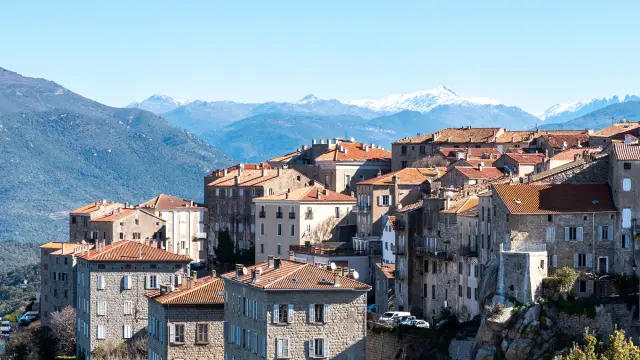
Welcome to Sartène: stroll through its medieval quarter, its narrow cobbled streets, its historic heritage, its lively square… and discover this town that has retained its charm of yesteryear. It’s the ideal place to visit an authentic Corsican village.

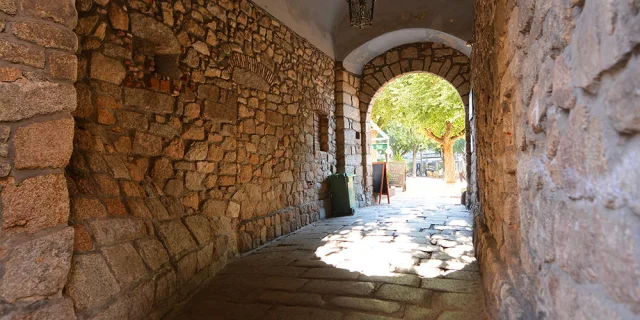
A town with a rich past and a remarkable cultural heritage, Sartène reveals its secrets as you wander through its picturesque lanes and discreet passageways. Every stone, every façade bears witness to its intense history, a blend of tradition and strong identity. All you have to do is look up and take your time: its architecture, monuments and famous Place Porta are just some of the treasures to be discovered. It’s no coincidence that Prosper Mérimée dubbed it “the most Corsican of Corsican towns”.

The most Corsican of Corsican towns

Between alleyways and legends, Sartène whispers its history to you

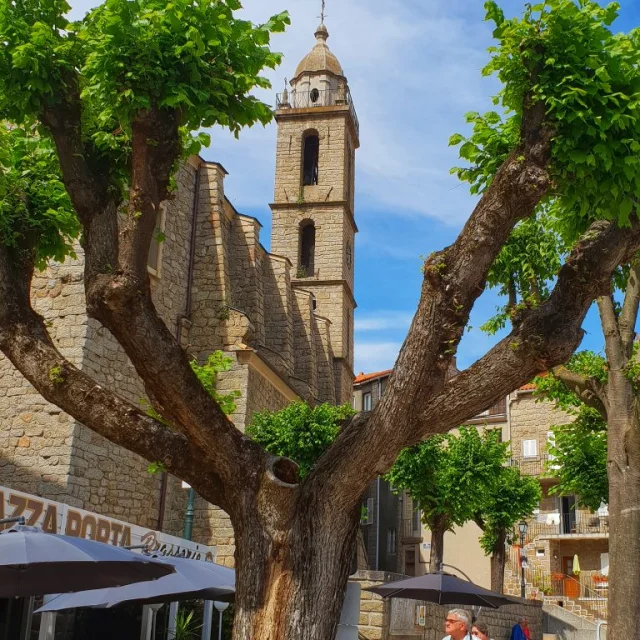
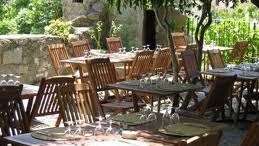
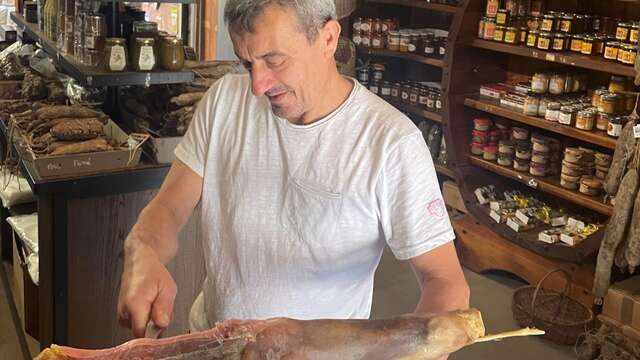
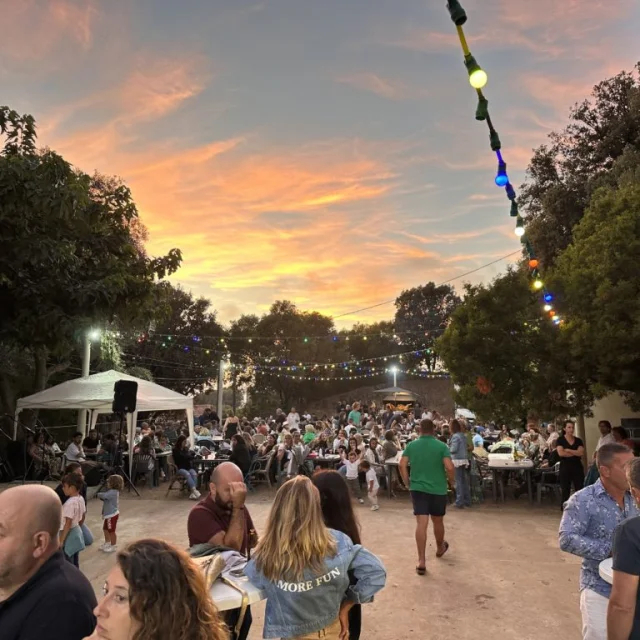
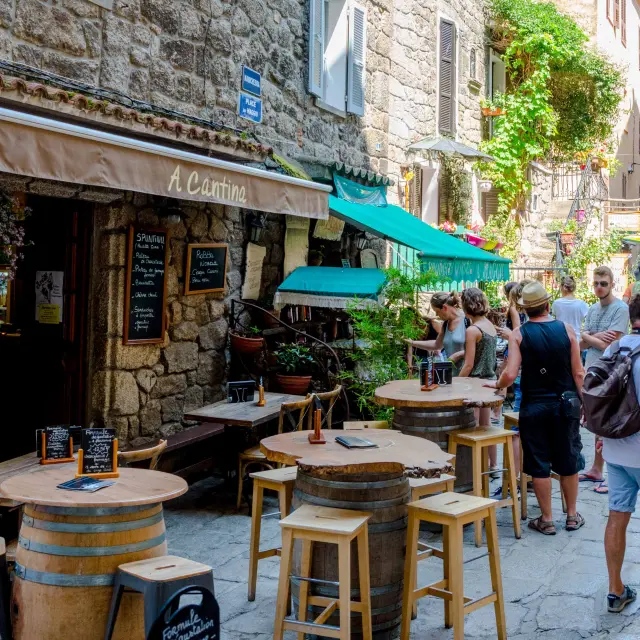
Before entering the heart of the historic and medieval quarter, make a stop in the Piazza Porta. It’s the ideal place to sit down at one of the many cafés that surround it and soak up the local atmosphere. Even today, this square, which the locals still call Place Porta, hosts an open-air market every Saturday morning, summer and winter alike. Here you can meet passionate producers, true ambassadors of Corsica, who proudly share the flavours of their land, in keeping with the seasons.

Renamed Place de la Libération after General de Gaulle’s visit at the end of the Second World War, the square is also steeped in history. Dominated by the Genoese governors’ palace, now the town hall, it marks the entrance to the old town via “la Porta”, a former drawbridge giving access to the cobbled streets of the old centre.

Not to be missed is the church of Sainte-Marie, which dominates the square. It houses the penitent’s cross and chain used in the famous Good Friday procession, U Catenacciu – a high point in the island’s religious tradition, full of emotion and fervour.
The last bastion of a past under siege

The watchtower

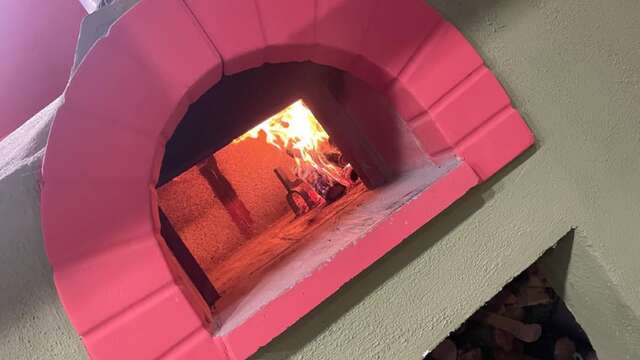
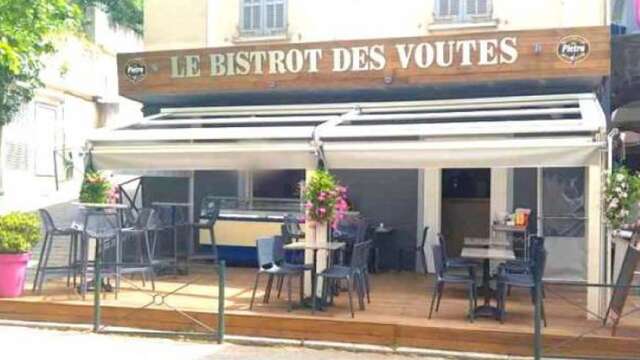
As you stroll along, you’ll come across other typical narrow streets: an old bread oven, small shady squares, the rue des Voûtes, the Place Paoli, and above all, the échauguette, witness to the town’s defensive past.

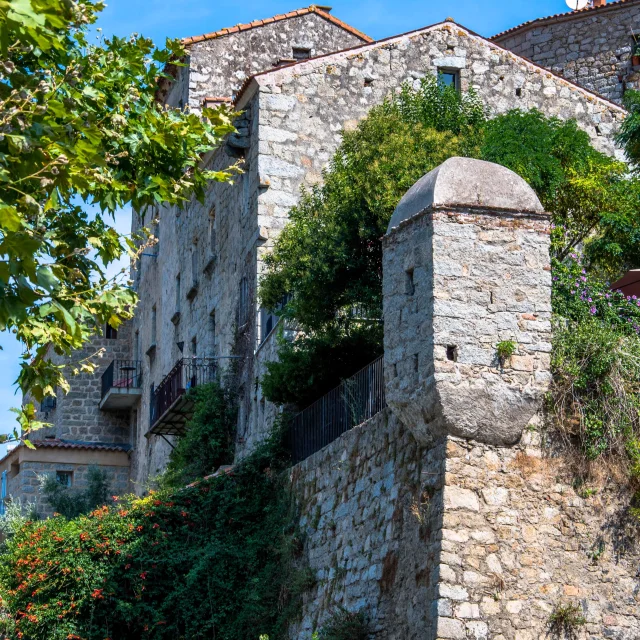
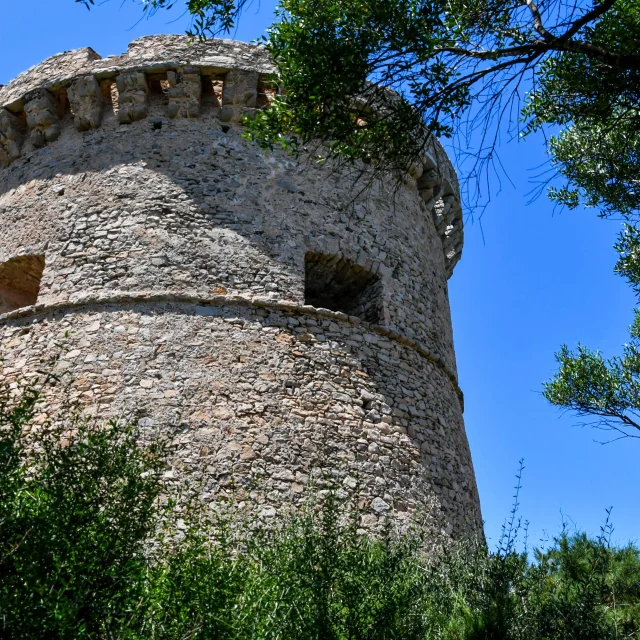
Perched on a corner of the Pitraghju quarter, with a square watchtower opening on three facades, the échauguette is one of Sartène’s most emblematic historic monuments. Built at the end of the 16th century, it is the last visible vestige of the defensive bastion that once protected the town.

It played a crucial role in 1583, when it served as a warning against an attack by Barbary pirates from Algiers. Despite the vigilance of the sentries, the assault was brutal: more than 400 inhabitants were captured and reduced to slavery.

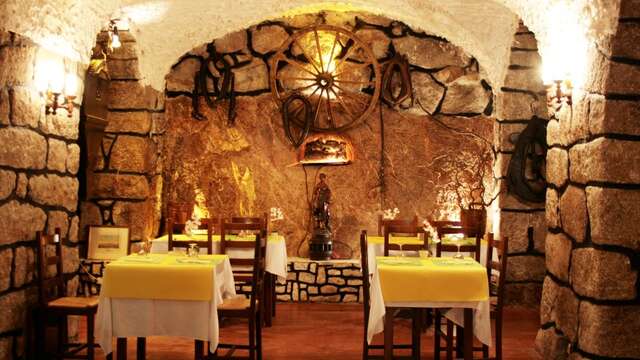
This small, typical military building is distinguished by its sober but strategic architecture: three square watchtower openings, oriented to keep an eye on the surrounding area, and a fourth opening providing level access from what was once a fortified garden – now the terrace of a restaurant. Its stone dome and cantilevered position on the surrounding wall make it a rare testament to the defensive ingenuity of the Genoese period.

To make sure you don’t miss anything, don’ t forget to hire an audioguide from the Sartène Tourist Office: a great way to discover the town at your own pace.

Egyptian houses

As you continue your walk, don’t miss a surprising architectural feature: the so-called “Egyptian” houses. There are two such houses in Sartène. These unusual buildings, with their facades decorated with oriental influences, are a reminder of the historical links between certain Corsican families and Egypt in the 19th century. A local curiosity that adds an exotic touch to Sartène’s authentic charm.

The “Maison Charles de Rocca-Serra”: surrounded by a garden, it is located on the roadside, on the Cours Gabriel Peri. It is an emblematic building of Corsican heritage, illustrating the history and architecture of the late 19th century. Its architecture is inspired by Tuscan palazzi, with elegant symmetry and a double-flight grand staircase.

The exterior of this private house can be visited free of charge (facades/roof – staircase). It is open from 24 July to 3 September.

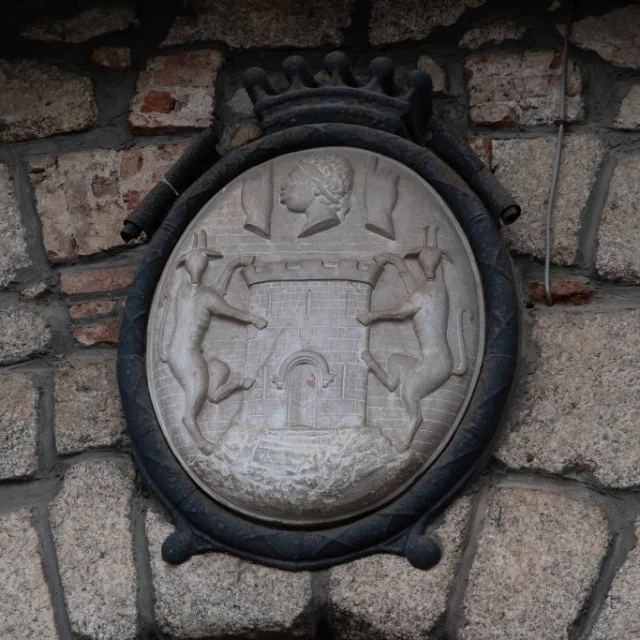
The “Maison Philippe de Rocca-Serra”: On the Cours Bonaparte, not far from the Place Porta, stands this beautiful 19th-century house, once the residence of “Sgios” (lords, great landowners) bearing the coat of arms of the de Rocca Serra family on its façade. A high gate, a beautiful staircase and fine wrought-iron balustrades give this building the air of a small palace.

Although not open to the public, this private house is visible from the outside.

Our favourite!

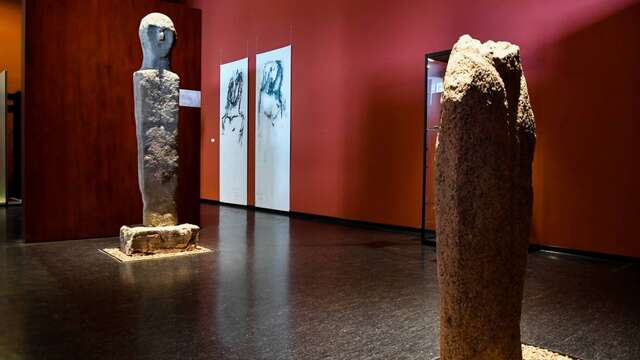
The Sartène Museum

Questions about Sartène?
  • Where to start visiting the old town of Sartène?

    The ideal starting point is Place Porta (now Place de la Libération), at the foot of the church. This is where the heart of the town beats, with its local market and traditional cafés.

  • Is there a guided tour of Sartène?

    Yes, you can hire an audioguide from the Sartène Tourist Office to discover the town at your own pace, with commentaries on history, architecture and local anecdotes. We also organise guided tours on Wednesdays, and for children we offer a treasure hunt. Come and visit us at the Tourist Office

  • How long will it take to visit the narrow streets?

    Allow around 1 to 2 hours to enjoy the old town at your leisure, taking the time to stop, photograph or sample a local speciality on the terrace.

  • Which monuments are not to be missed?

    Don’t miss the church of Sainte-Marie, the watchtower, the bread oven, the Egyptian houses, the Place Paoli, the museum and the convent of Saint Damien. The built heritage is rich and tells the story of several centuries of history.