Sartène, the most Corsican of Corsican townsMust-sees in Sarten
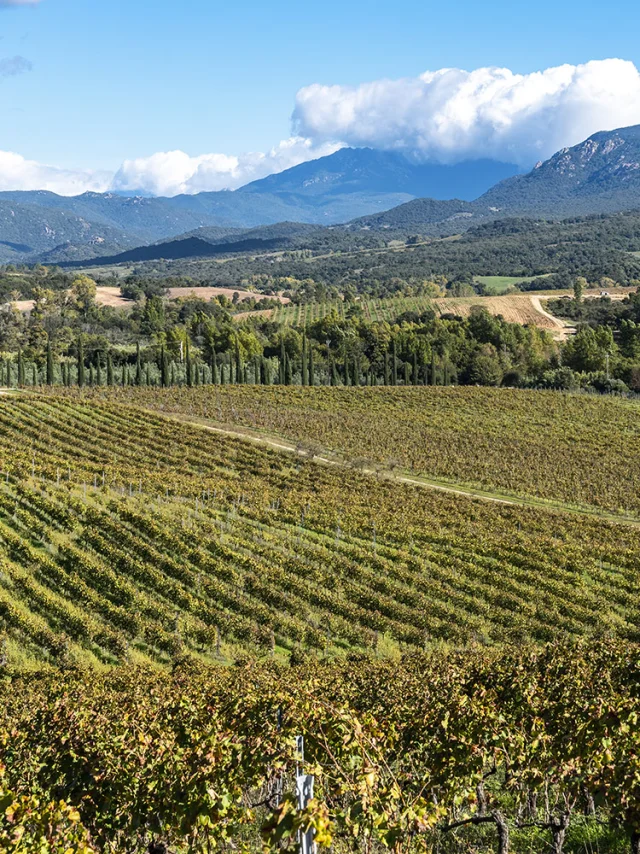
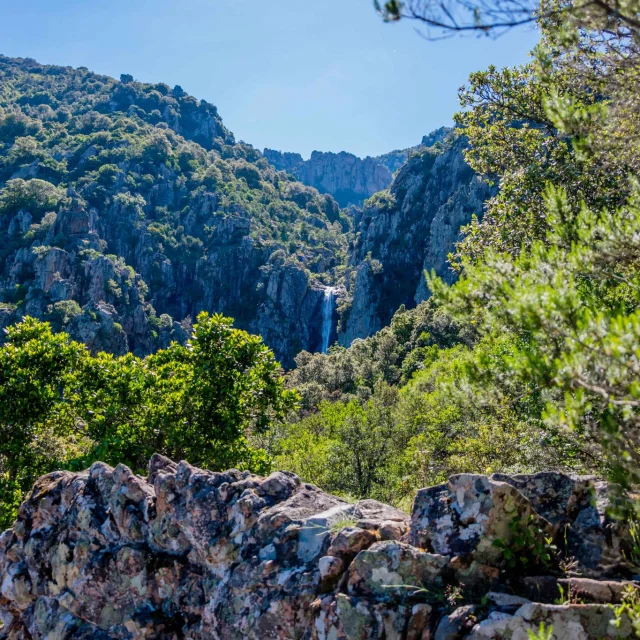
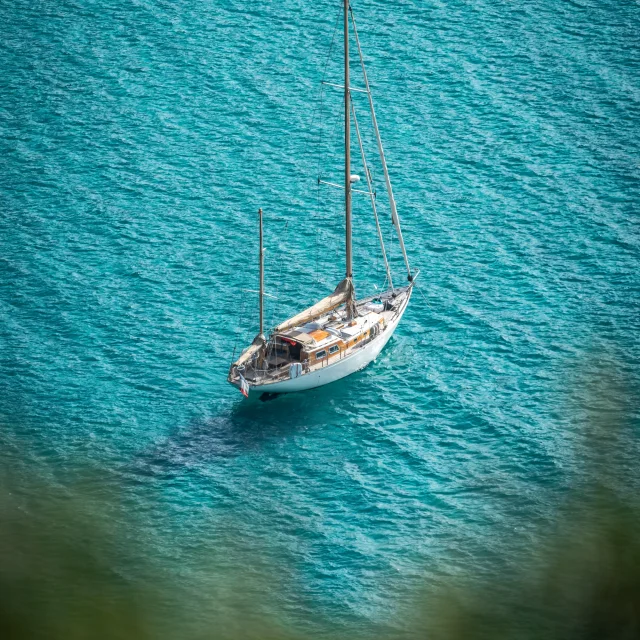
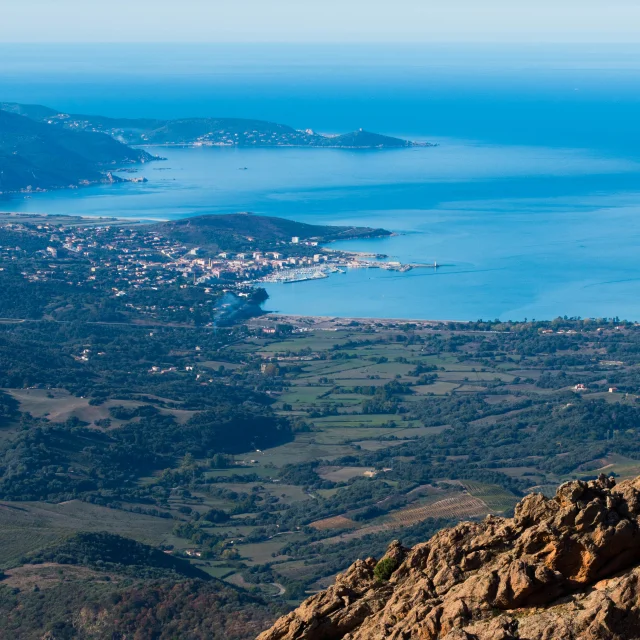
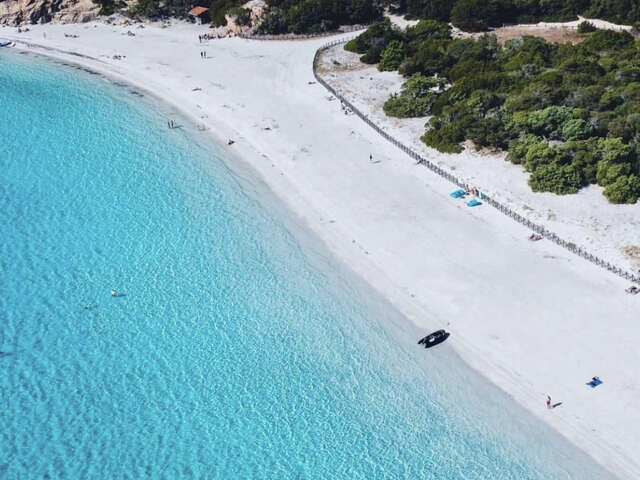
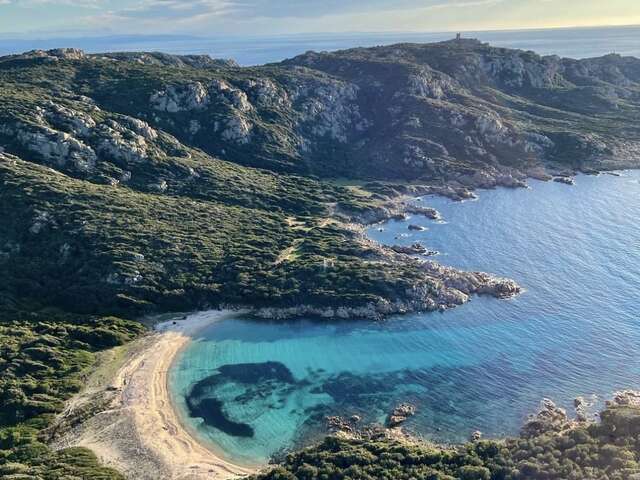
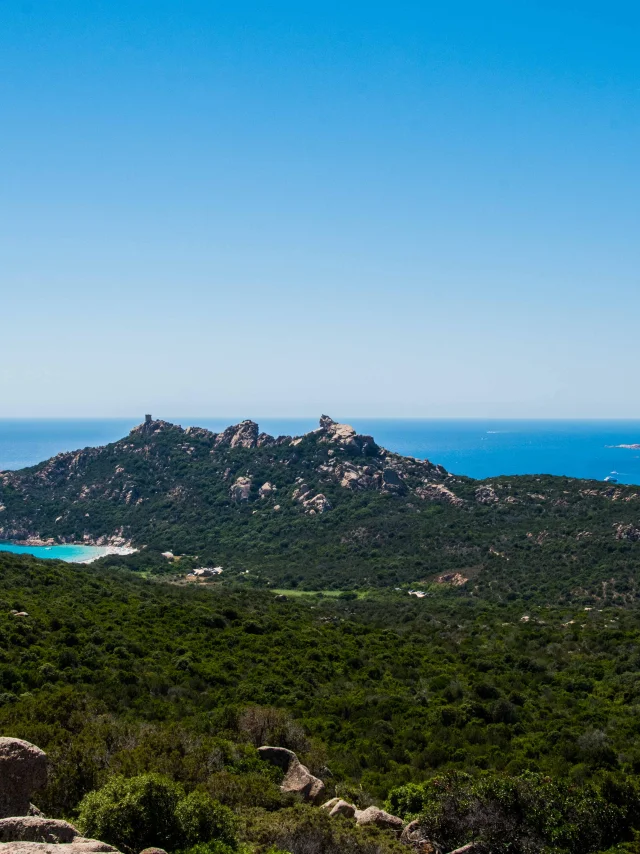
Situated in the south-west of Corsica, its unspoilt coastline stretches over 33 kilometres of wild coastline and beaches: from Senetosa to Roccapina , via Tizzano and Tradicettu.
A breathtaking natural setting with a natural curiosity: a pink granite rock in the shape of a Lion, which provides the spectacle and watches over the horizon!
Favourites
A journey to the heart of the origins!
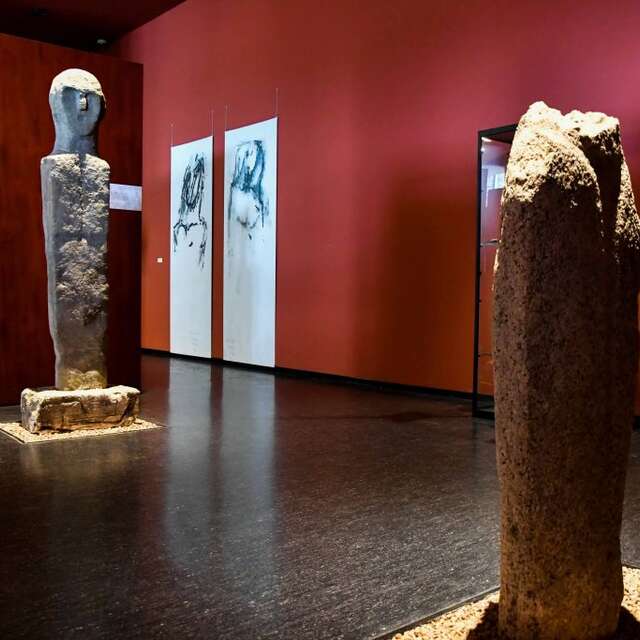
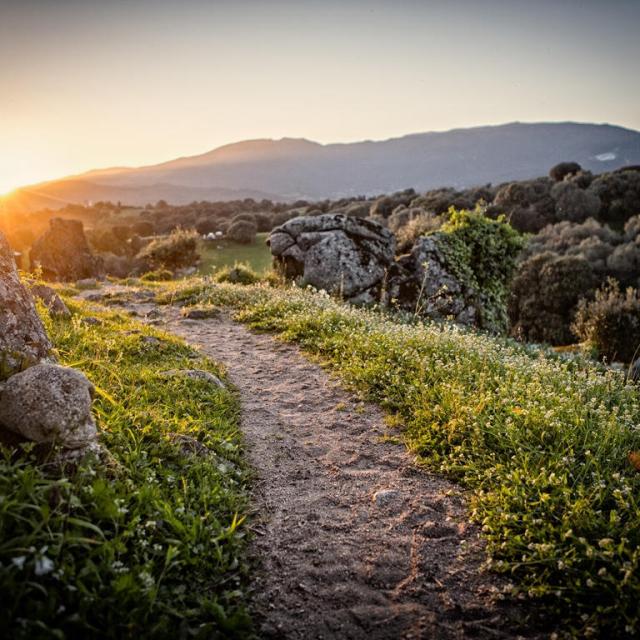
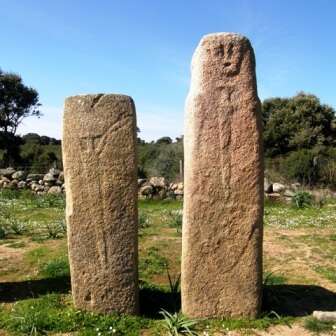
In the plain, the remains of a rare archaeological heritage: the site of Cauria, with its menhirs. It also contains the best-preserved dolmen in Corsica. The alignments of menhirs bear witness to prehistoric human occupation. The Musée de la Préhistoire et d’Archéologie de Corse (Museum of Prehistory and Archaeology of Corsica ) in Sartène sheds light on the origins of Corsica by displaying numerous prehistoric objects.
Sartène, the most Corsican of Corsican towns
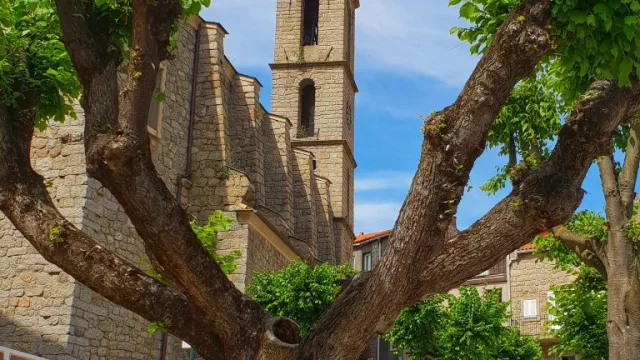
Church of Sartène
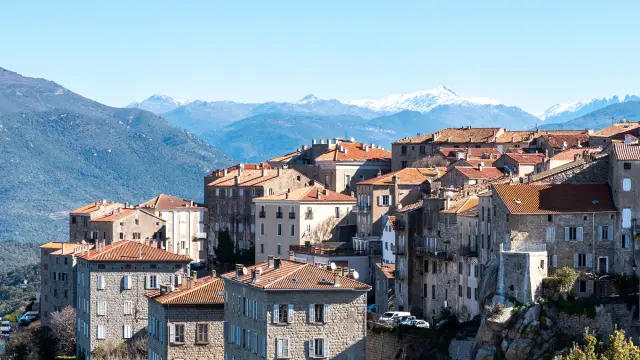
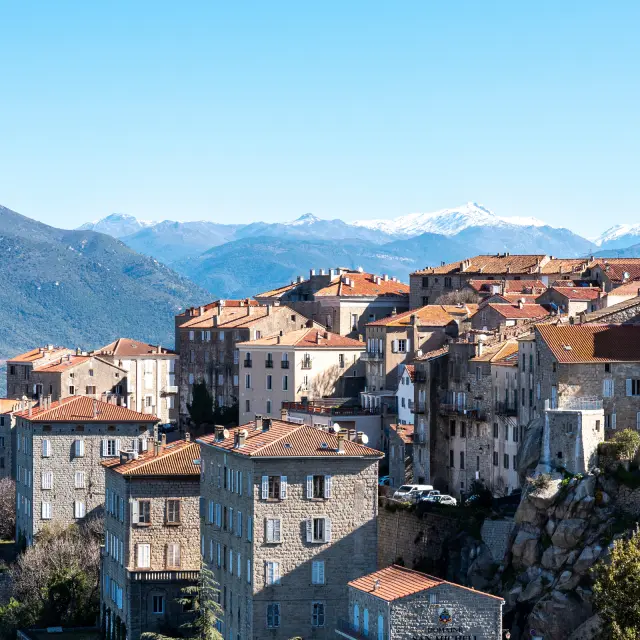
Old town of Sartène
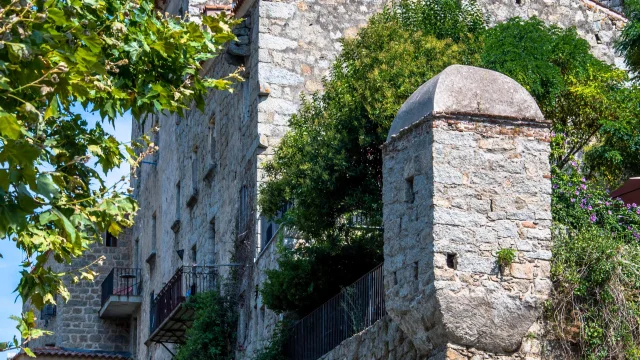
The watchtower of the Sartène citadelSartène
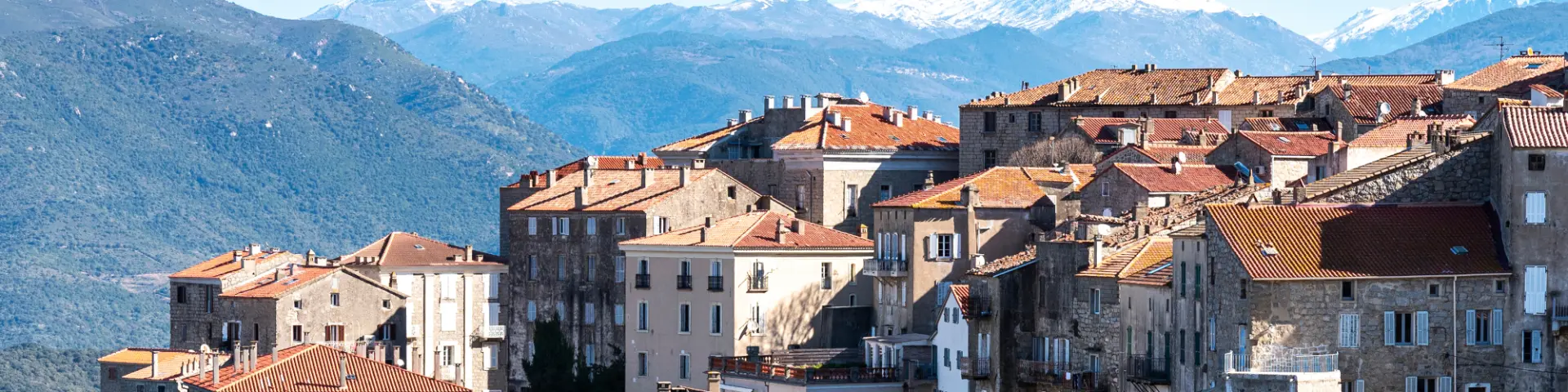
Sartène, the largest commune in Corsica in terms of surface area, is also known as “the most Corsican of Corsican towns”, as Prosper Merimée called it.
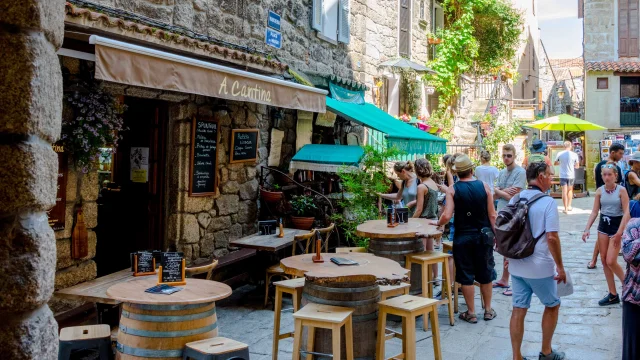
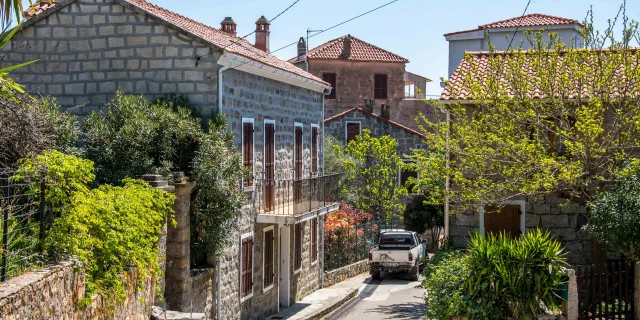
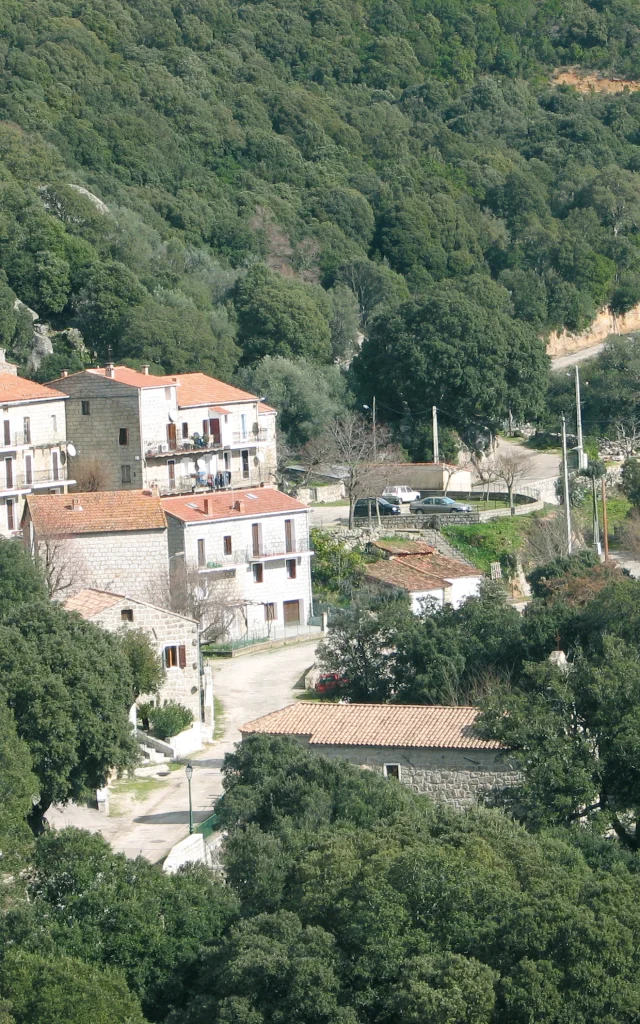
Its large, light-coloured granite houses, picturesque narrow streets, medieval quarter and troubled history give it an austere, authentic feel. Its Place Porta, lined with cafés, is a place where people meet and talk, a place where everyone meets. Sartène has preserved its charm intact, with monuments such as the watchtower, the church of Ste Marie and the old bread oven…
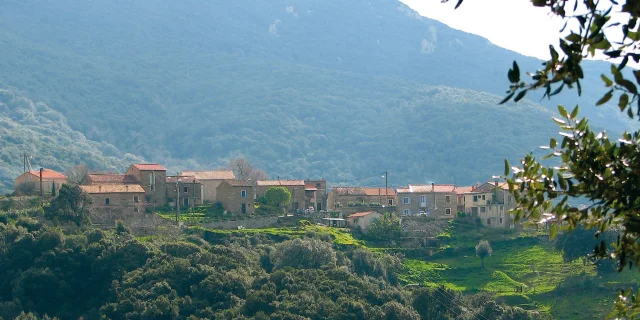
Authentic villages
Catenacciu place Porta in Sartene
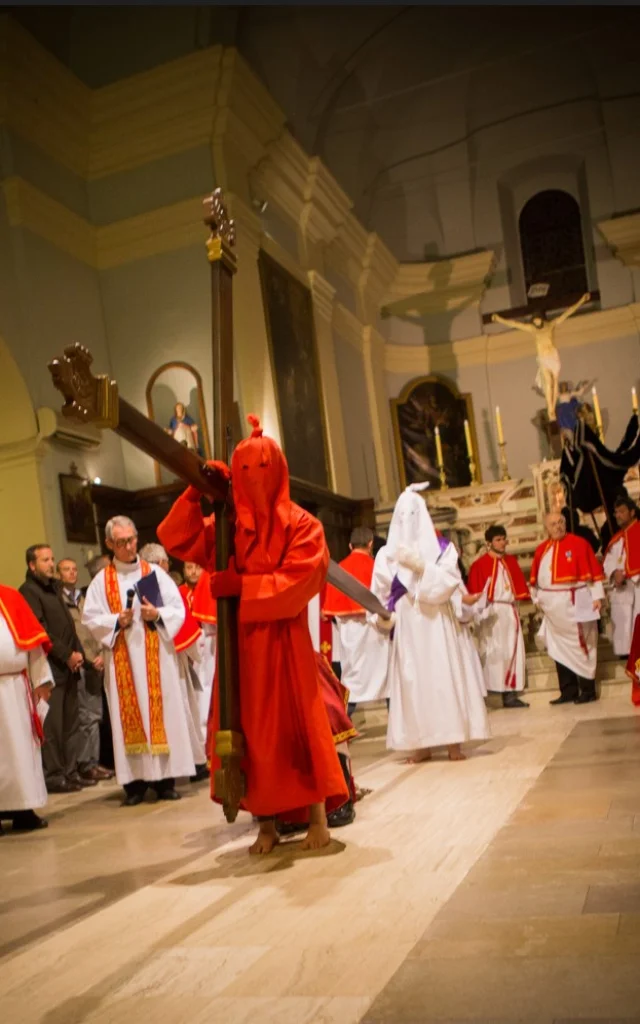
Catenacciu in the church at Sartène
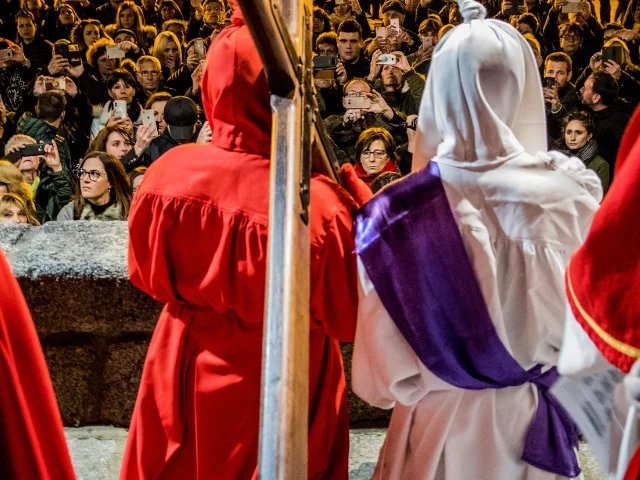
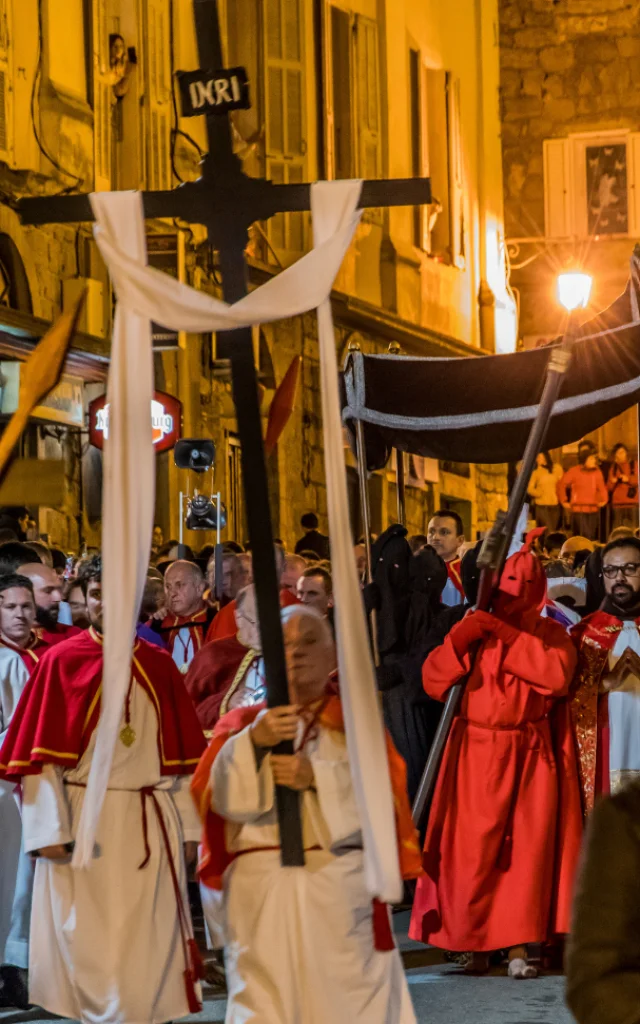
Catenacciu procession through the streets of SarteneReligious fervour
In Corsica, religious tradition plays an essential role, and Sartène is one of the strongest symbols of this with the famous Good Friday procession: U Catenacciu, which has been held every Easter week for centuries. This ceremony, deeply rooted in the island’s culture, is the most impressive and best-attended on the island. Thousands of people attend every year, from the faithful to tourists.
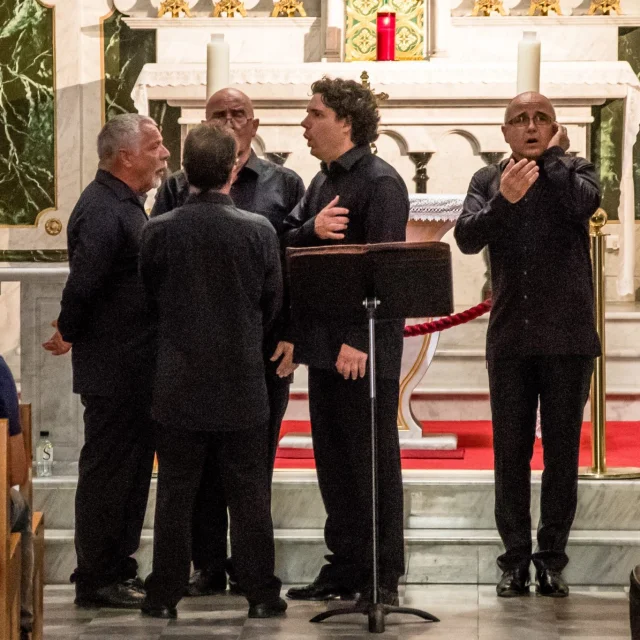
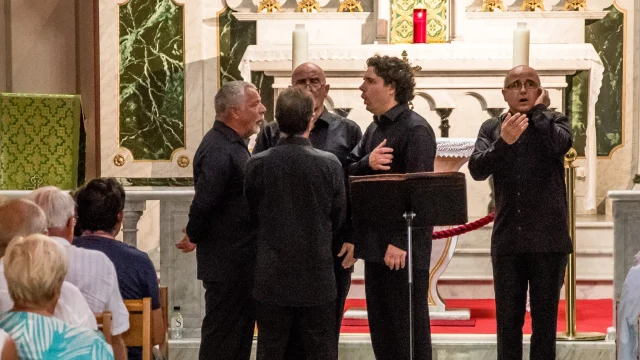
The“Catenacciu” walks the Way of the Cross through the village, symbolising Christ’s ascent to Calvary. The brotherhood accompanies the penitent while singing“Perdono, moi Dio“, a song of forgiveness.
Other religious celebrations are also held throughout the canton to celebrate the saints: St Anthony of Padua, St Mary …