©

Bilia

BiliaA village steeped in Corsican history

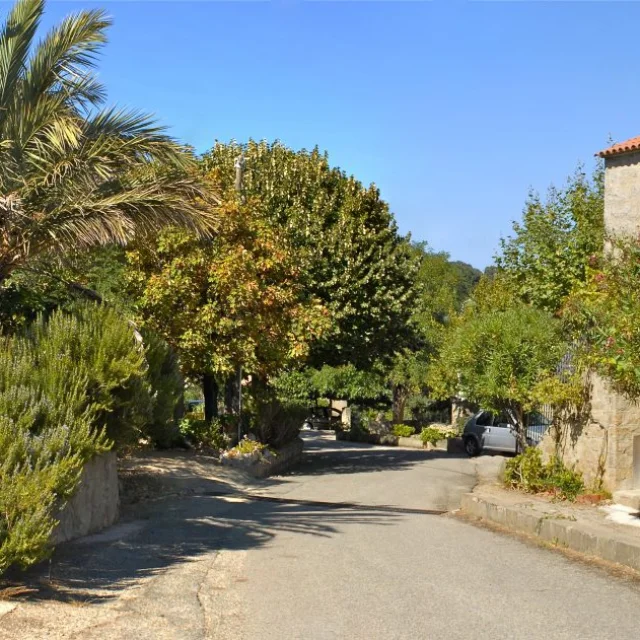
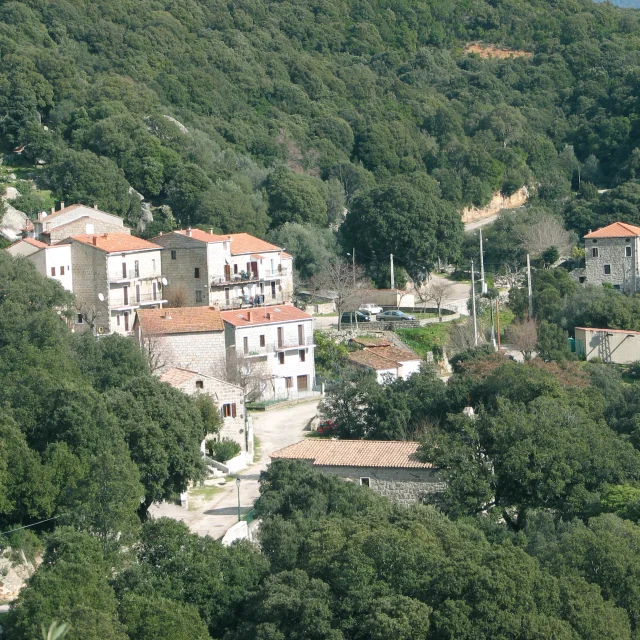
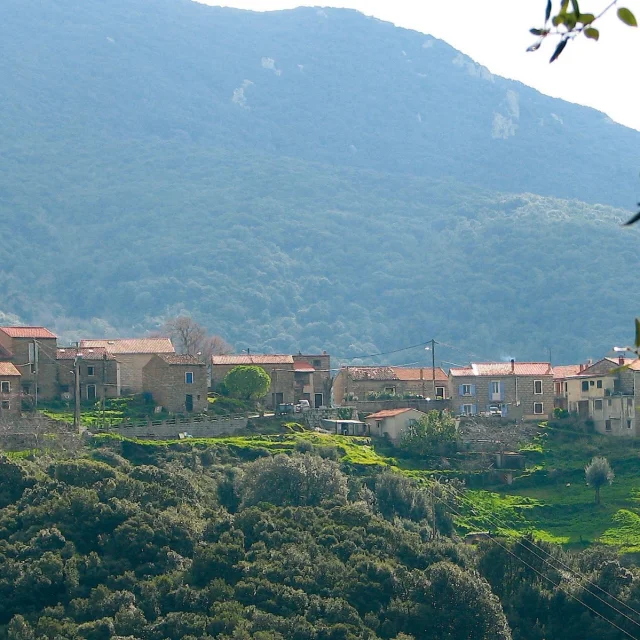
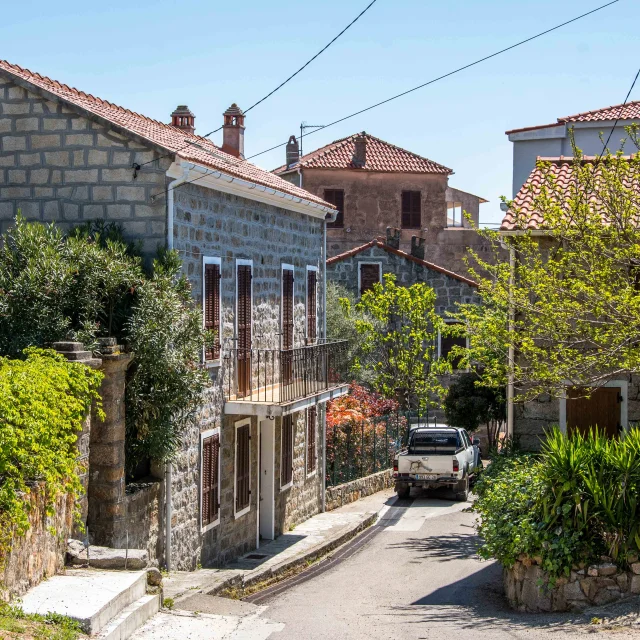
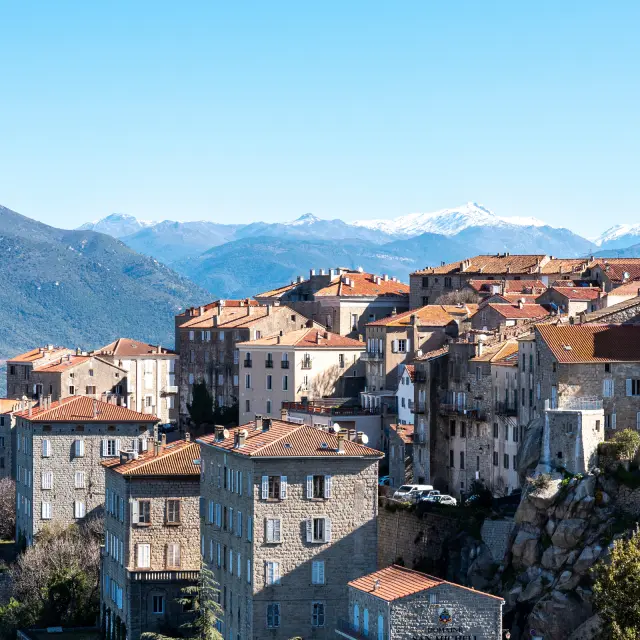
Stop off at Bilia to discover the soul of a hilltop village and make the most of this moment of tranquillity. Situated to the west of Sartène, the small village of Bilia overlooks a valley called Bisujè, which has been occupied since prehistoric times. It is part of the Sartenais region.

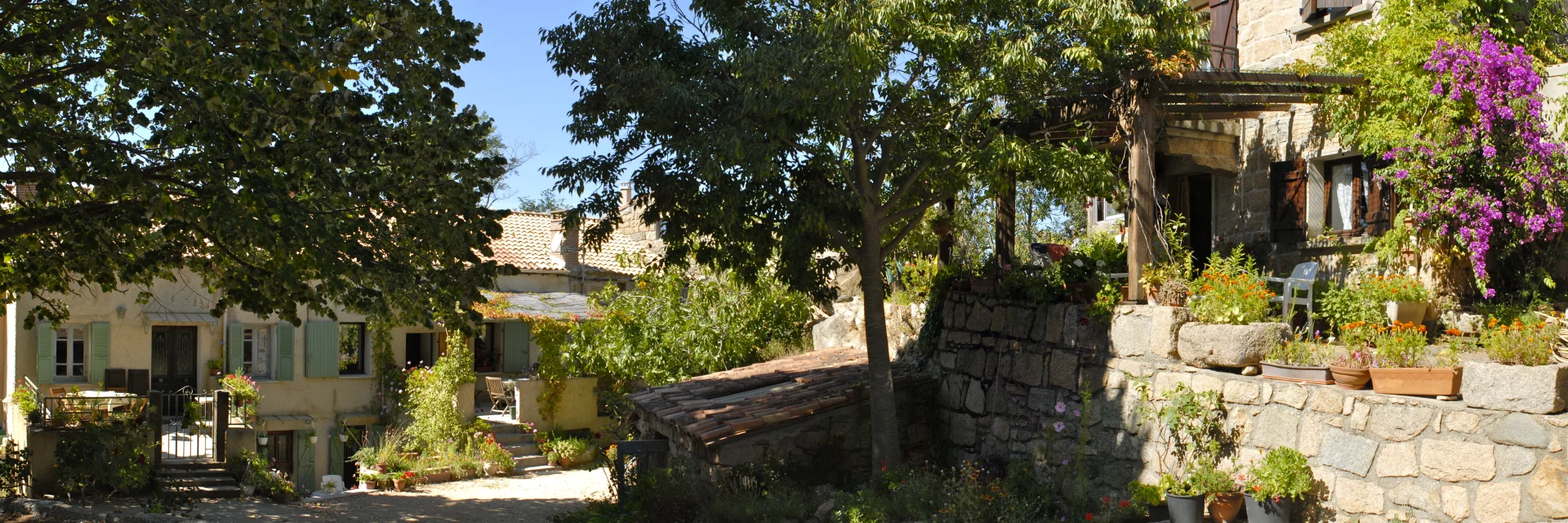
It’s one of the smallest villages in Corsica… but also one of the most charming. You’ll love the peace and quiet of this little village perched in the mountains. It is currently made up of several hamlets.

Getting there

The story

Historic village

authenticity made simple

The remains of a monastery founded by the Friars Minor and a Romanesque chapel can still be seen. A monk from the “Santu Martinu” convent became famous for his miracles. He was invoked to cure people suffering from madness or depression. Imploring the saints is also part of a deeply-rooted Corsican tradition.

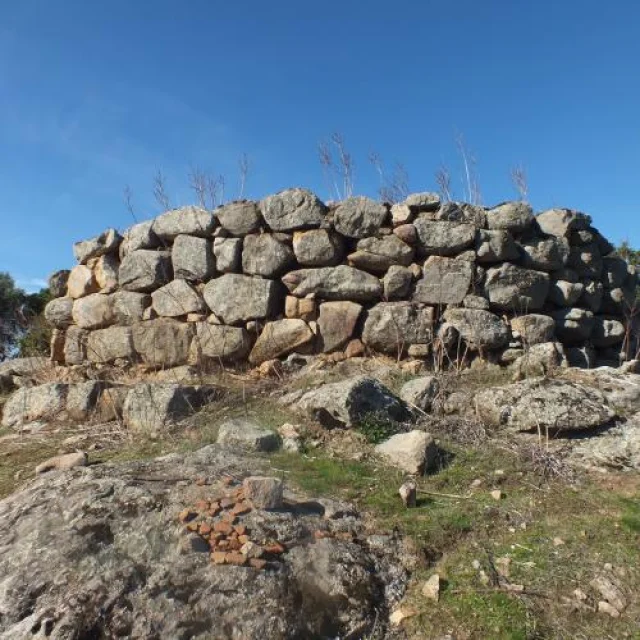
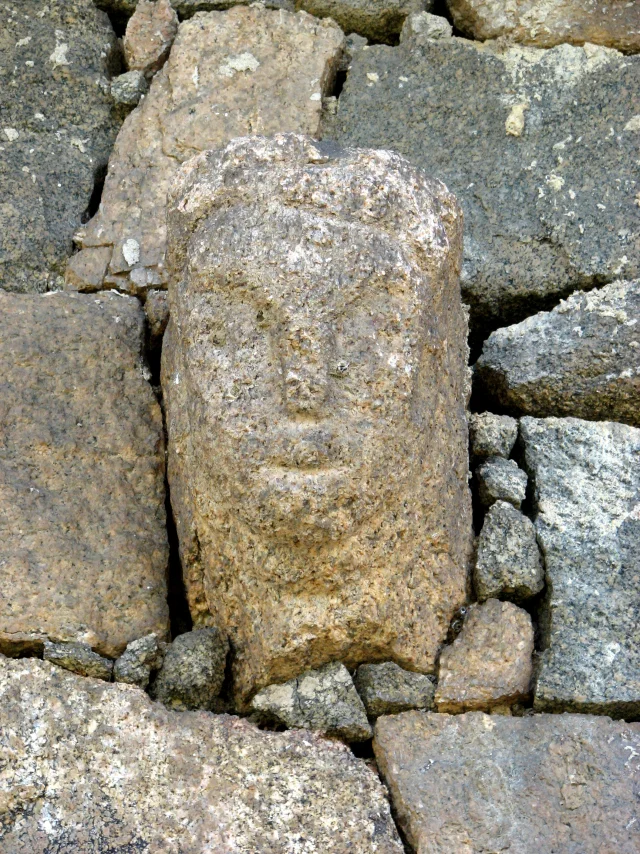
At the top of a spur 361 m above sea level, the Castello d’Alo-Bisujè archaeological site features fragments of menhirs. There are also millstones and pottery dating from the 2nd millennium BC. It is an imposing circular monument with an entrance and diverticula. There is also a central chamber and a staircase leading to the platform on the second level. Prehistoric huts dot the site all around. Inhabited since prehistoric times, the area was emptied of its inhabitants at the beginning of the sixteenth century following incessant attacks by Barbary pirates. Thanks to the arrival of inhabitants from Zicavo, Bilia became a community of over 200 souls in the 18th century.

A little further on

Alò Bisujè website,

The origins of Corsica

Dominating the valley from its rocky outcrop, come and visit the archaeological site of Alò Bisujè, located in the commune. It’s a pleasant stroll through Corsican history. Situated between Tizzano and Campomoro in the Sartenais Valinco Taravo region, the Alo Bisujè site is one of the island’s heritage relics that plunges you 3,000 years back into the heart of Corsican prehistory. A fortified Bronze Age village awaits you. Become a witness to the past as you discover this Corsican archaeological site. An unspoilt place, where history meets the wild nature of the Sartenais.

🧐 Did you know?

🔹 The name Bilia could come from the Roman surname “Bilius”, suggesting that the village’s roots go back to Roman times. While this etymology remains hypothetical, it bears witness to the area’s rich history.

🔹 The inhabitants of Bilia have a name that is as rare as it is charming: les Biliais. This gentilé reflects the identity of a discreet community that is proud of its origins, in a village that today has around thirty year-round inhabitants.