©

Sollacaro

An overview of Corsican history and archaeology

Sollacaro Calvese

Ajouter aux favoris

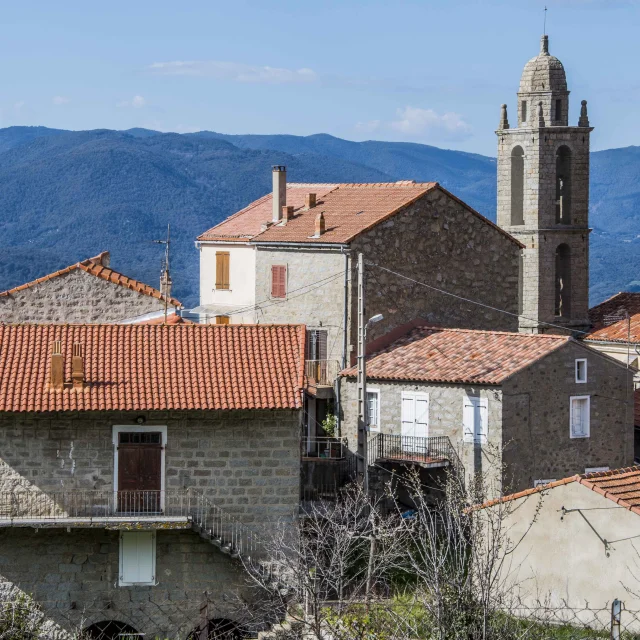
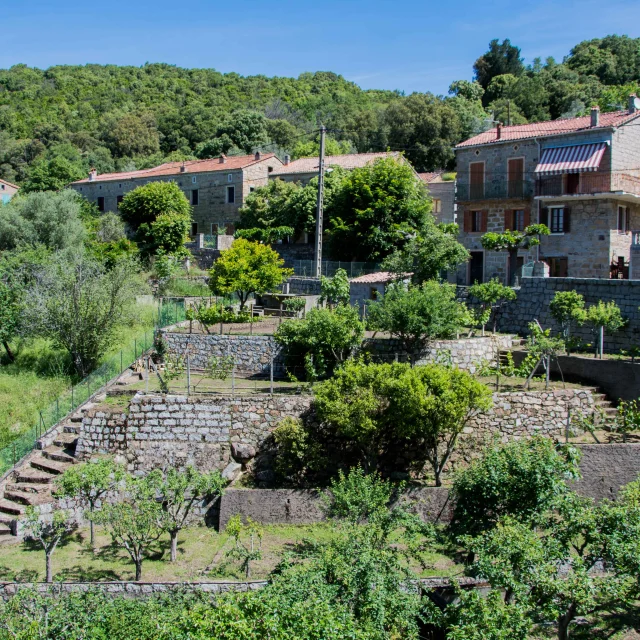
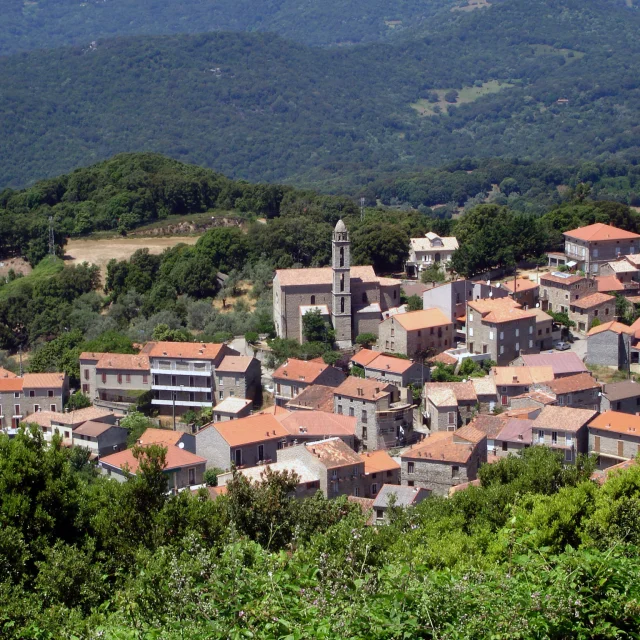
Sollacaro is perched in the Taravo valley, surrounded by lush green mountains. Take a stroll in the shade of the plane trees. Typically Corsican, with its granite houses clinging to the hillside and its narrow streets, Sollacaro appeals to travellers in search of authenticity, spectacular panoramas and island culture. Just a few kilometres from the beaches of Porto Pollo or Propriano, it offers a perfect balance between wild nature and preserved heritage. This commune is typical, authentic and historic, thanks to the famous prehistoric site of Filitosa. A Corsican heritage not to be missed

Getting there

A Corsican village

between history, nature and a thousand years of heritage

Situated at an altitude of 450 m, Sollacaro overlooks the Taravo valley halfway between Petreto-Bicchisano and Porto Pollo. Developed from the 15th century onwards by the lords of Istria, the village features towers and a group of low-rise houses.

First of all, stroll along the typical narrow streets lined with vaulted passageways and observe the beautiful old facades that give this town its distinctive character. Then, in one of the streets of this old quarter, a residence will surely catch your eye: “U palazzu”. This massive three-storey palace dates in part from the 18th century, but its base is apparently older. Set out to conquer Corsican history.

But the village itself is well worth the diversions: its baroque church, ancient fountains, sundial and the soul of its inhabitants, proud of their roots, make it a lively and welcoming stopover.

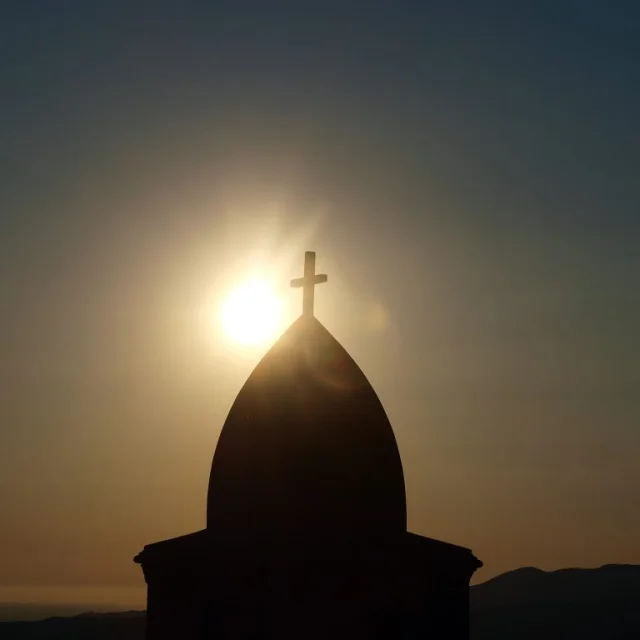
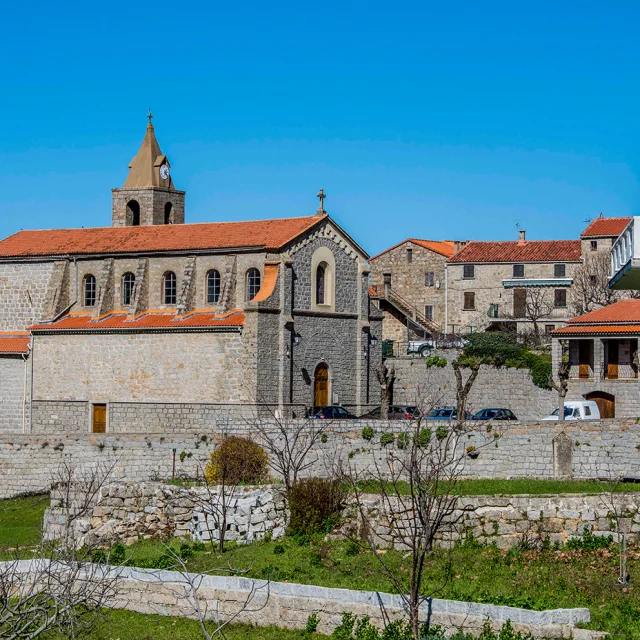
Last but not least, don’t miss the Church of Santa Maria Annunziata, with its fine stonework and curious columns set beneath a triangular pediment. The bell tower, also in stone, is pyramid-shaped.

The hamlet of Calvese

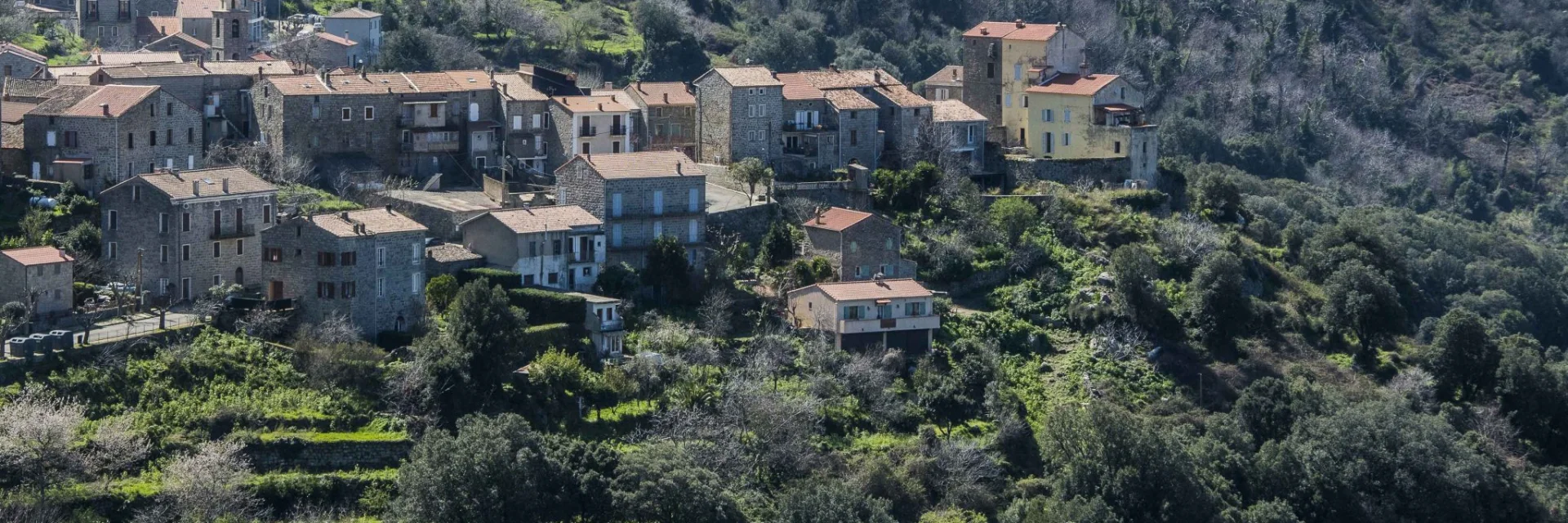
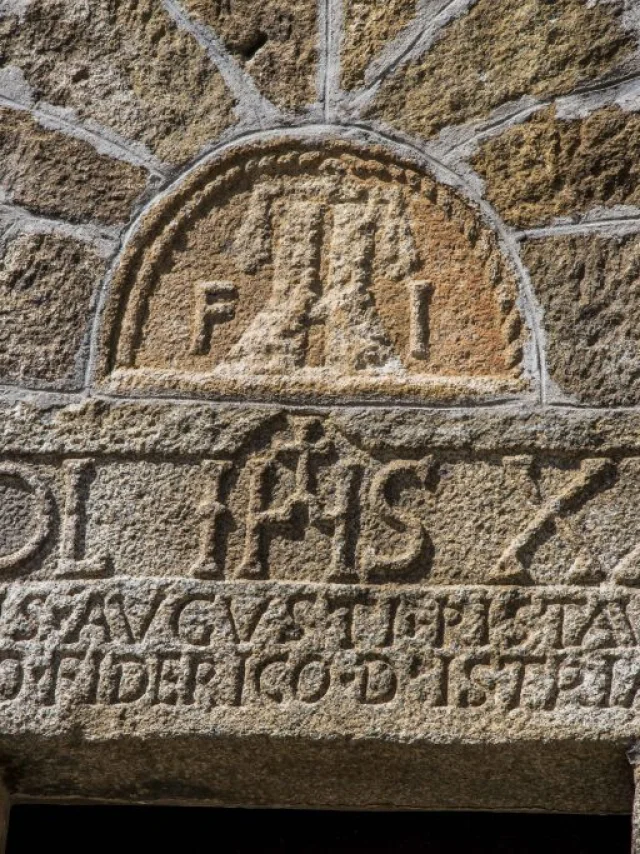
Situated below Sollacaro, the hamlet of Calvese became part of the latter in 1853. The houses, most of which date from the eighteenth century, are very attractive. One of them, probably a torra, is considered to be one of the oldest in the village. An inscription in Roman numerals on a lintel indicates the date 1530. This house is located in the lower quarter known as Pastini. Access to the upper quarter (Farelacci quarter) is via a sloping lane lined with gardens.

The Baroque church of Sant’Alparti dates back to the 16th century but was enlarged in the 1800s.

Firstly, continuing on the D302, higher up, which leads to Pila Canale, the Calzola bridge can be the subject of a beautiful stroll. This S-shaped bridge, mentioned by Mérimée in 1839 in his Notes d’un voyage en Corse, crosses the Taravo via 5 arches. A Genoese map from 1613 already indicates its existence.

A field of megaliths to visit!

Filitosa

Sollacaro is world-famous for its nearby Filitosa archaeological site, ranked as one of the most important in Europe. This mysterious site, with its statue-menhirs and megalithic remains, traces more than 8,000 years of human history in Corsica.

Unravel the mysteries of standing stones at the famous megalithic fields on the Filitosa site. Admire them in the low-angled light of the morning or late afternoon. Menhirs with human faces stand before you. This is one of the most extraordinary concentrations of standing stones in Corsica. Through its precious remains, this site offers a synthesis of Corsican history.

A rural Corsican fair

The sacred land of Taravo

If you’re visiting Corsica in August, don’t miss one of the region’s most emblematic events: the Filitosa Fair. Held every year on the grounds of the world-famous prehistoric site, this fair is much more than just a market: it’s a living celebration of Corsican crafts, flavours and traditions.

For several days, the Filitosa Fair brings together dozens of exhibitors from all over Corsica. On site, you can talk directly to passionate craftspeople, discover local products (charcuterie, cheeses, honey, jams, essential oils, wines, etc.), admire handmade objects (knives, pottery, jewellery, wood or leather creations) and appreciate the island know-how handed down from generation to generation.

With craft demonstrations, tastings, concerts of traditional Corsican music, polyphonic singing and entertainment for young and old, this fair is a total immersion in local culture. The setting is unique: at the foot of the prehistoric site of Filitosa, surrounded by centuries-old olive trees and rolling hills, the site is transformed into a festive and welcoming temporary village.