©

Branches

Corsican customs and beliefs

Customs and beliefs

Ajouter aux favoris

To truly discover a destination and experience unique moments, you need to get to know its people and its customs. For generations, men and women have perpetuated these customs and beliefs, which are very often linked to superstitions. Each region has preserved its customs and traditions like treasures. Let us tell you about them. Ochju (the evil eye) is a deeply rooted belief on the island. In fact, to remove this evil spell, you need a “signatore” who, after pouring oil on the water, performs prayers. This knowledge is passed on orally on Christmas Eve. Most often, it is jealousy that causes the evil eye. There are various good-luck charms, such as horns, coral and the eye of St Lucy, to protect against spells.

01

The eye of Saint Lucia

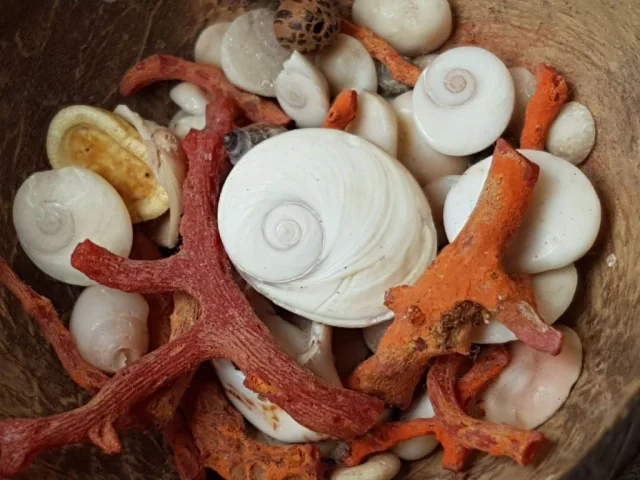
It’s the lid of a shell that can be picked up on certain beaches after a heavy storm. According to legend, it was a young woman from Syracuse who, accused by her fiancé of being too pious (and of not giving in to his demands), plucked out her own eyes and threw them into the sea. The Virgin Mary then restored her sight in gratitude for her faith. Sainte Lucie is a very important part of the island’s culture, with several villages bearing her name: Sainte Lucie de Tallano, Sainte Lucie de Porto-Vecchio… Supposed to protect against bad luck, this seal is regularly worked on in Corsica. Noble materials such as gold, silver and red coral from Bonifacio combine perfectly with the eye to make a piece of jewellery. You can buy them in many of the island’s jewellers.
02

Corail in Corsica :

Between Tradition, Craftsmanship and Mediterranean Heritage

A symbol of protection, wealth and connection with the sea, red coral from the Mediterranean is an integral part of Corsican customs and traditions, particularly in coastal regions such as Sartenais Valinco Taravo. Used for centuries in crafts, jewellery and popular beliefs, coral is much more than just a precious material: it’s a key part of Corsica’s cultural heritage and identity.

Traditionally fished off the coast of Corsica, particularly near the Propriano region, red coral is often associated with protective objects, jewellery handed down from generation to generation, and even religious and symbolic practices. Its use dates back to ancient times, and it is still used today in many Corsican crafts.

03

The little crosses on the branches

"E crucette

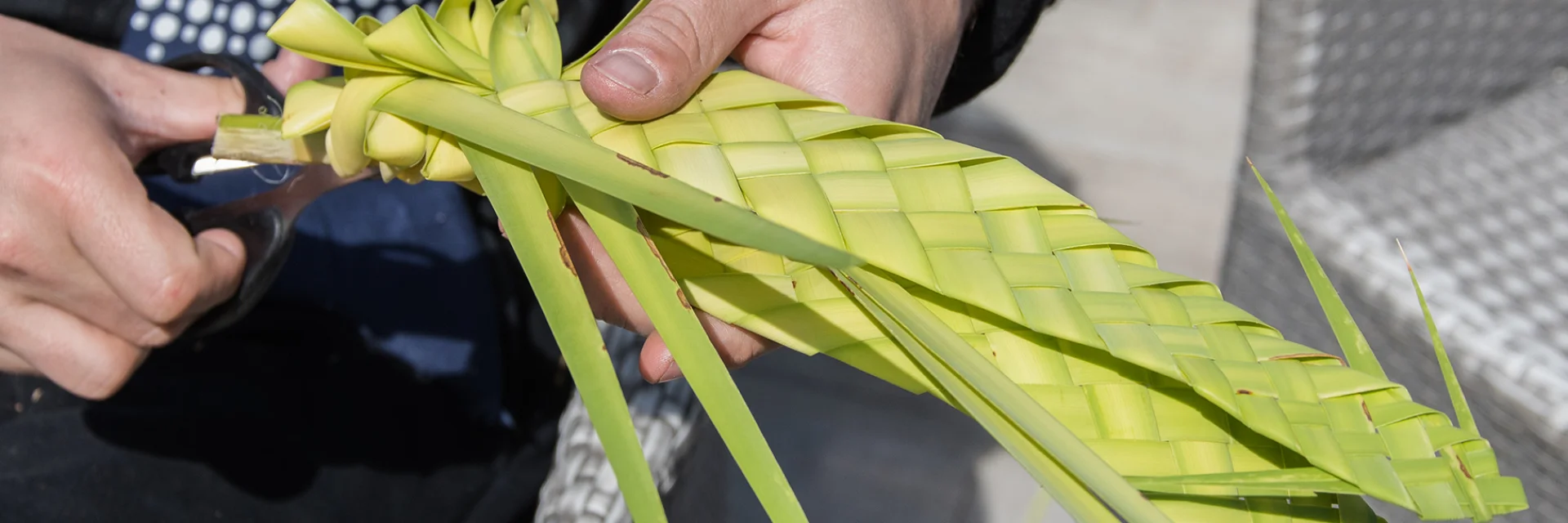
During the Easter celebrations on Palm Sunday, many Corsicans have their little crosses (crucette) blessed. It’s one of the oldest and most enduring traditions. Crucettes” are made from pale yellow palm leaves, a symbol of purity. They are woven and hung from the branches with olive branches and carried in procession. From a very young age, the confreres pass on this know-how to the children by teaching them how to make them. They are then kept in the home as good luck charms until the following year, under God’s protection. It is customary to burn those from the previous year on the same Sunday.

Religious tradition

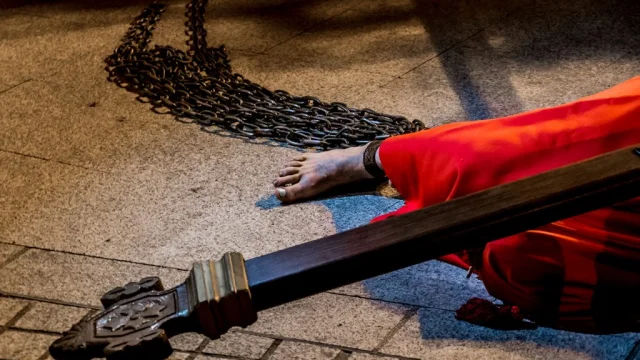
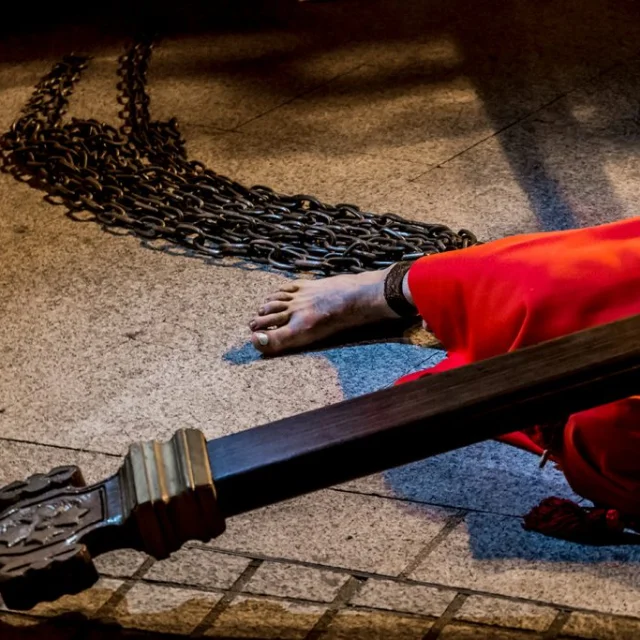
In the villages of Sartenais Valinco Taravo, as all over the island, these beliefs are still very much alive: protection against the evil eye, the importance of first names, gestures to ward off misfortune, lucky charms such as coral or Fatma’s hand, not forgetting the essential role of religious festivals and processions. These traditions shape a unique island identity, combining spirituality, respect for elders and a deep connection with nature.